Enhancing Home Comfort and Reducing Energy Bills
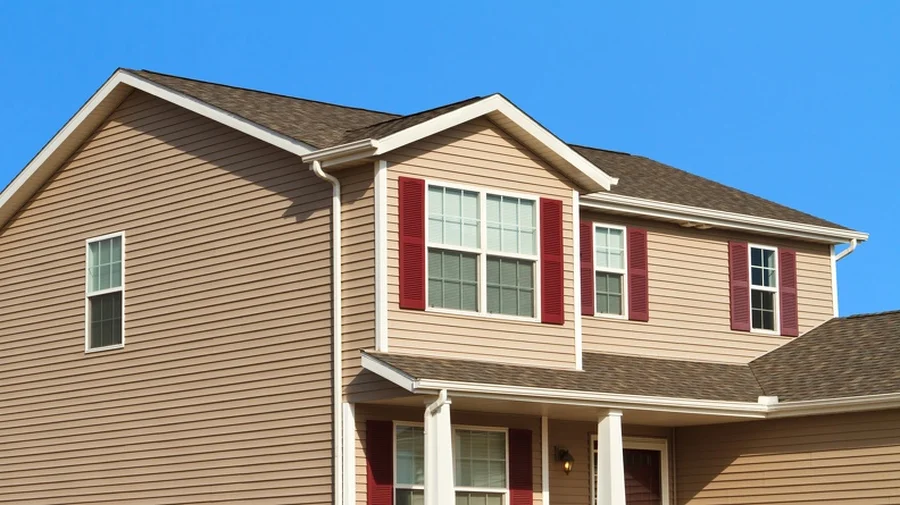
Keeping your home warm in winter and cool in summer can be a challenge. Energy efficiency is crucial to maintaining comfort while saving on utility costs. One effective strategy is upgrading your home’s exterior with quality siding. This improvement doesn’t just boost curb appeal; it also plays a significant role in enhancing energy efficiency by acting as an additional layer of insulation, thus reducing heat loss in the winter and keeping the interior cooler in the summer.
The Role of Insulation in Energy Efficiency
Insulation is key to managing your home’s temperature. It helps keep heat inside during colder months and blocks out heat during warmer ones. By improving how well your house is insulated, you can reduce energy consumption significantly. This is where siding installation comes into play. When you choose energy-efficient siding materials, they work together with existing insulation to form a more effective barrier against temperature fluctuations.
Choosing the Right Materials for Better Insulation
Siding installation offers homeowners various material options that provide different levels of insulation. Popular choices include vinyl, fiber cement, and wood. Each material has distinct characteristics that contribute to its insulating properties:
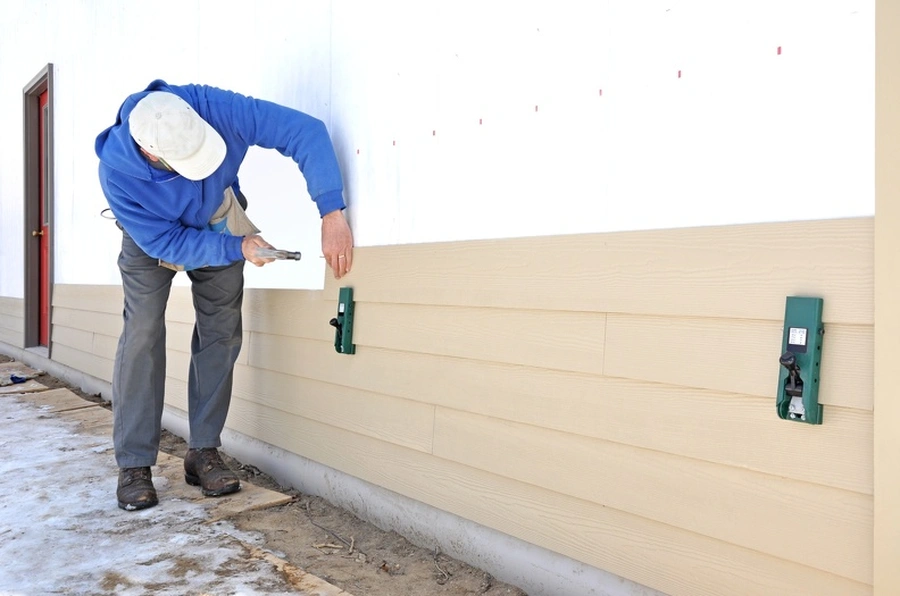
- Vinyl: Affordable and low maintenance, often comes with added foam backing for better insulation.
- Fiber Cement: Durable and fire-resistant, provides good thermal resistance.
- Wood: Offers natural insulation but requires more upkeep to prevent weather damage.
Reducing Heating and Cooling Costs
A well-insulated home means less reliance on heating and cooling systems. With proper siding installation, you create an extra layer that keeps air from escaping or entering too easily. This stability results in lower energy bills since your HVAC system won’t have to work as hard to maintain a comfortable temperature inside your home.
Environmental Benefits of Improved Energy Efficiency
Boosting your home’s energy efficiency not only saves you money but also benefits the environment. Reduced energy usage translates to a smaller carbon footprint. By opting for high-quality siding that enhances insulation, you’re contributing to sustainable practices. This choice decreases greenhouse gas emissions associated with energy production.
Common Challenges and How to Overcome Them
While siding installation is beneficial, it does come with challenges. Choosing the wrong type or poor installation can lead to issues such as moisture retention or inadequate insulation. To avoid these pitfalls, it’s essential to consult professionals who can advise on materials best suited for your climate and ensure correct installation techniques are followed.
Tips for Maintaining Your Home’s Siding
Once you’ve installed new siding, regular maintenance will ensure it remains effective. Here are some tips:
- Clean siding annually to prevent dirt buildup.
- Inspect for cracks or damage regularly, especially after severe weather.
- Repaint or reseal as needed to maintain protective coatings.
Investing in Quality for Long-Term Savings
Siding is a long-term investment in your home’s comfort and value. Though initial costs may seem high, consider the savings on energy bills and increased property value over time. High-performance siding lasts longer and requires fewer repairs, making it a cost-effective choice for enhancing your home’s energy efficiency.
Your Path to a More Efficient Home
If you want to improve your home’s energy efficiency, start by upgrading your siding. Taking this step will enhance both comfort and sustainability while potentially lowering utility bills. Contact Sierra Siding Installers at (707) 419-0373 for expert advice on choosing the right siding solutions for your needs. Our team in Fairfield, CA is ready to help you make the most informed decision possible.